Showy Milkweed Seeds
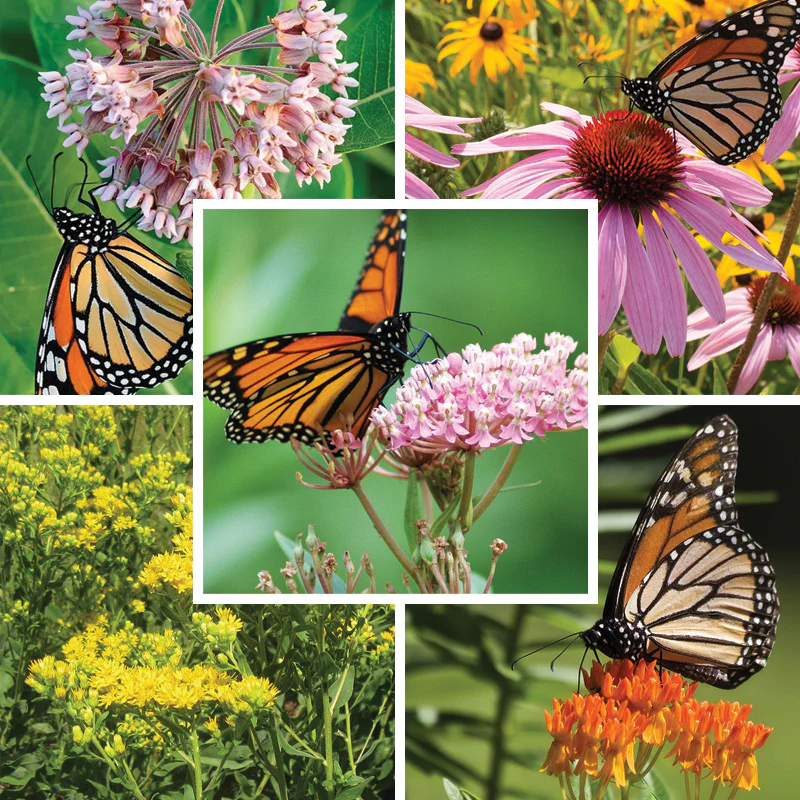
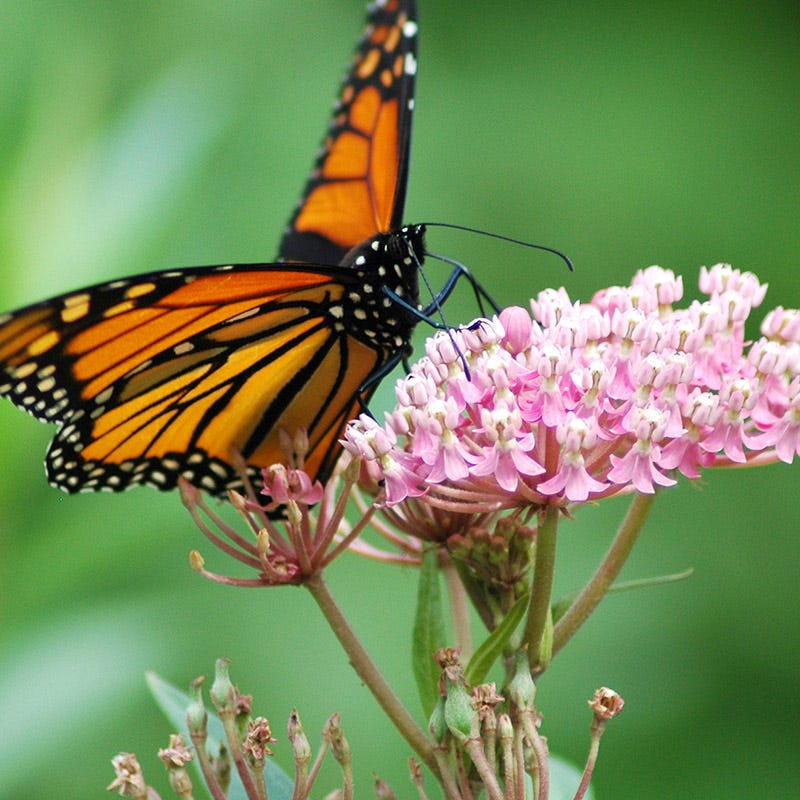
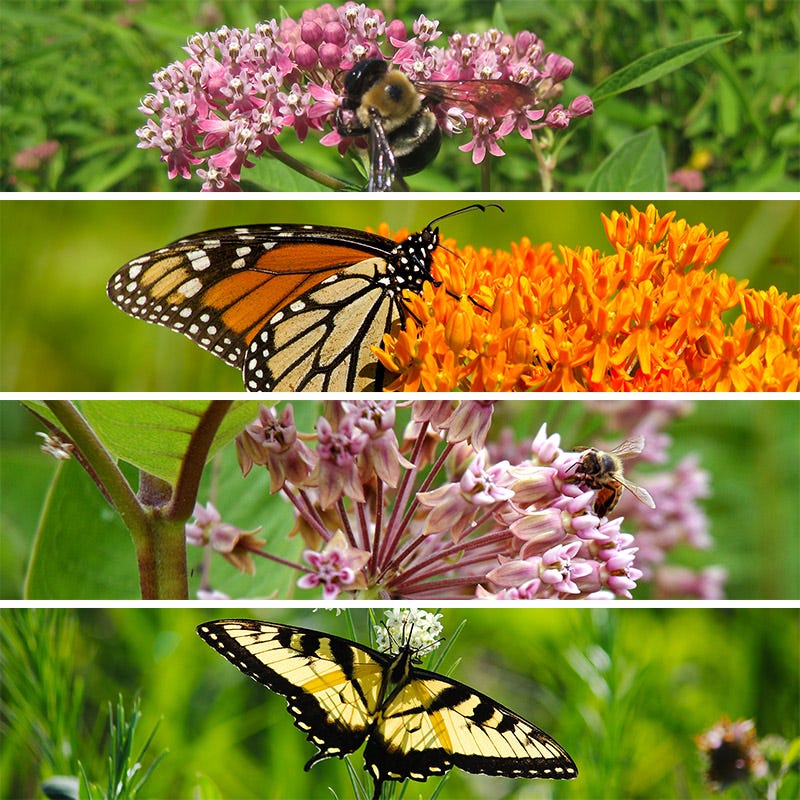
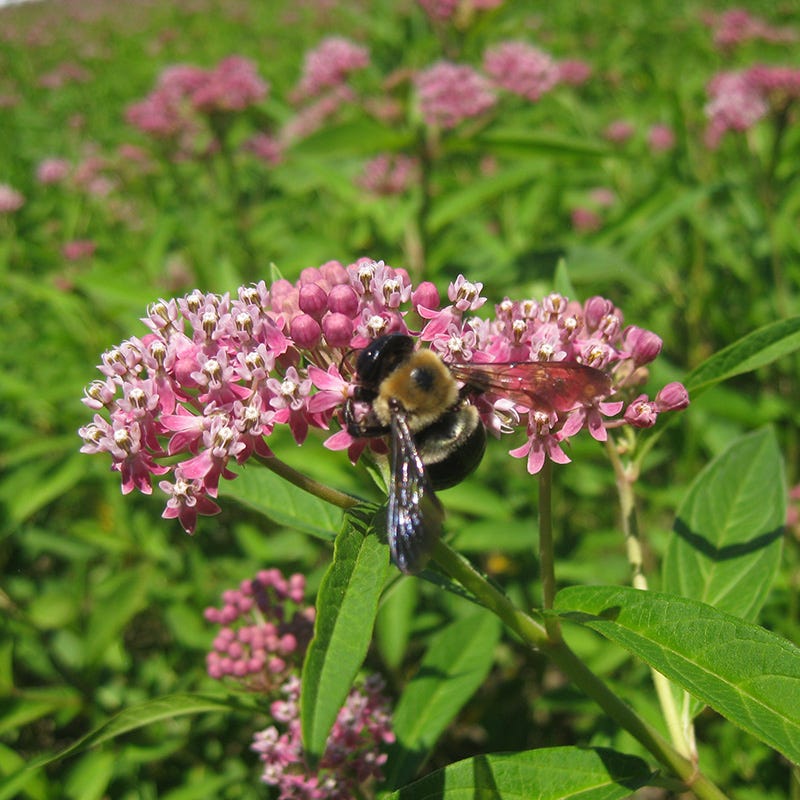
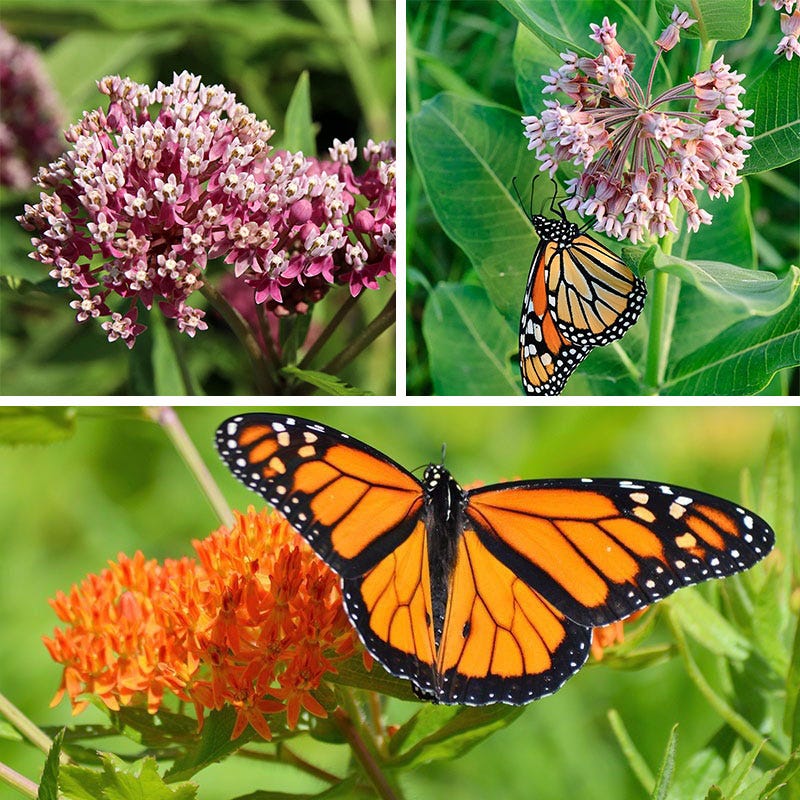
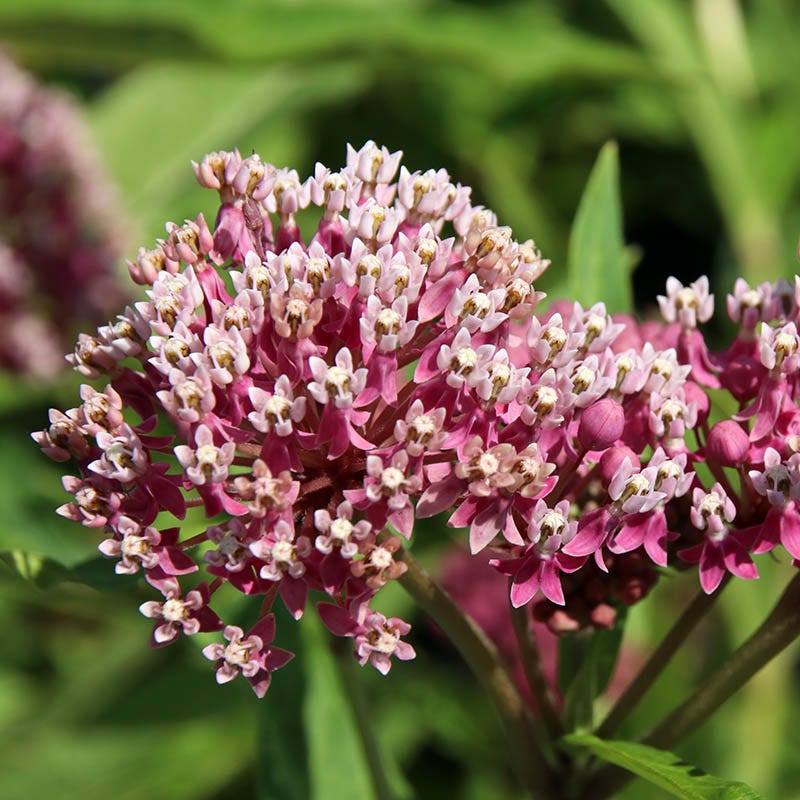
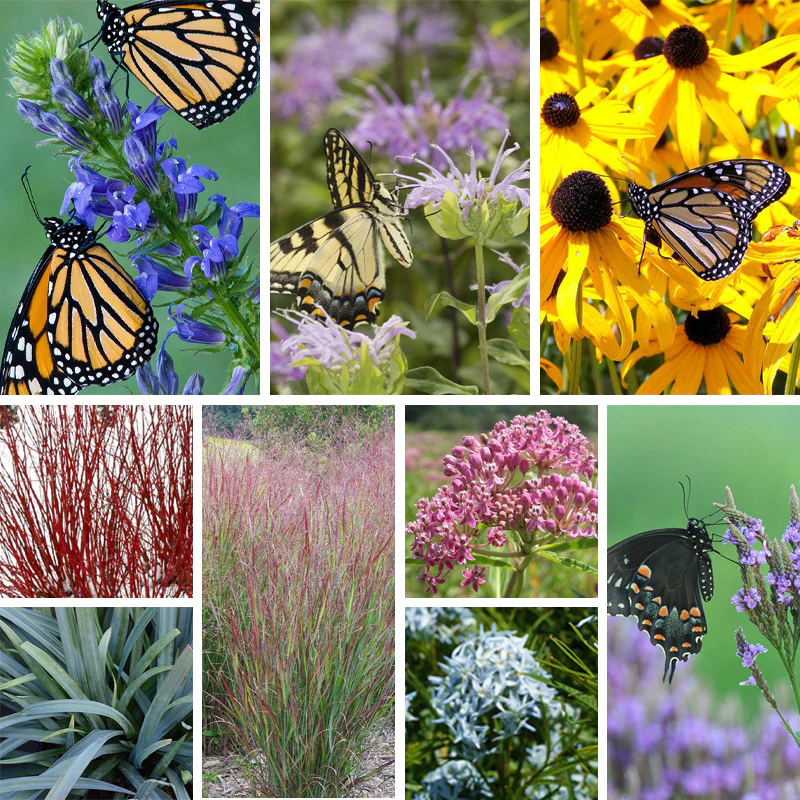
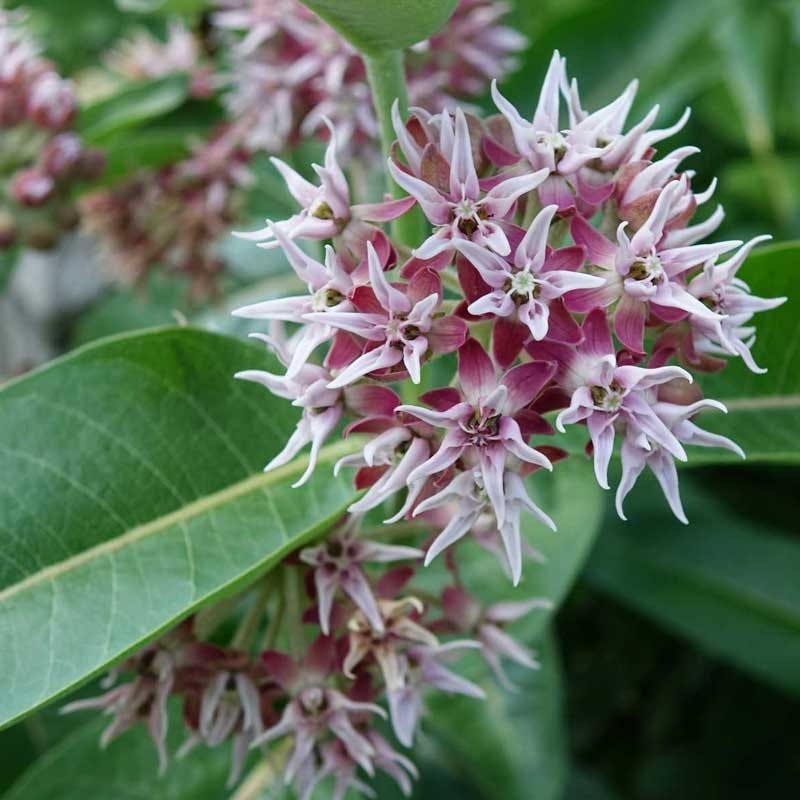
Perennial – blooms appear in the second season and will reappear for many years to come. 48" tall. Showy Milkweed, like all asclepias, is an indispensable plant for Monarch butterflies, offering up the only food source for caterpillars and plenty of nectar for butterflies. A vigorous spreader, plant this low-maintenance variety in an area where it can naturalize and become a haven for local pollinators passing through your garden. Thrives in full sun, fast-draining soil, and doesn’t require supplemental watering once established in your garden. Showy Milkweed requires a cold period in order to germinate and is best planted in the fall or forced into cold stratification for spring seeding.
Perennial – blooms appear in the second season and will reappear for many years to come. 48" tall. Showy Milkweed, like all asclepias, is an indispensable plant for Monarch butterflies, offering up the only food source for caterpillars and plenty of nectar for butterflies. A vigorous spreader, plant this low-maintenance variety in an area where it can naturalize and become a haven for local pollinators passing through your garden. Thrives in full sun, fast-draining soil, and doesn’t require supplemental watering once established in your garden. Showy Milkweed requires a cold period in order to germinate and is best planted in the fall or forced into cold stratification for spring seeding.
Original: $4.70
-70%$4.70
$1.41Description
Perennial – blooms appear in the second season and will reappear for many years to come. 48" tall. Showy Milkweed, like all asclepias, is an indispensable plant for Monarch butterflies, offering up the only food source for caterpillars and plenty of nectar for butterflies. A vigorous spreader, plant this low-maintenance variety in an area where it can naturalize and become a haven for local pollinators passing through your garden. Thrives in full sun, fast-draining soil, and doesn’t require supplemental watering once established in your garden. Showy Milkweed requires a cold period in order to germinate and is best planted in the fall or forced into cold stratification for spring seeding.