Pasture Thistle Seeds
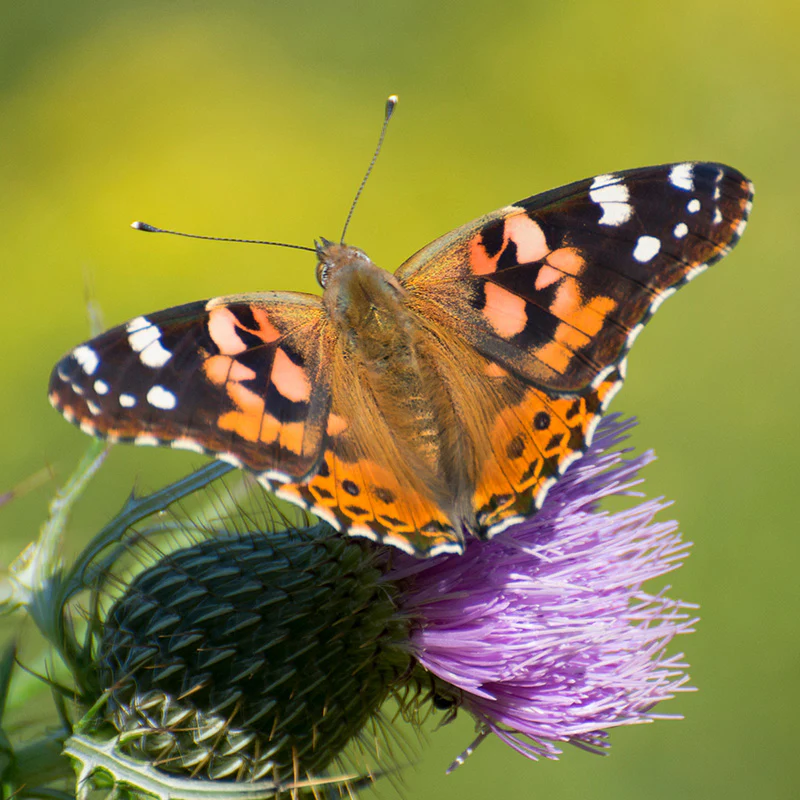
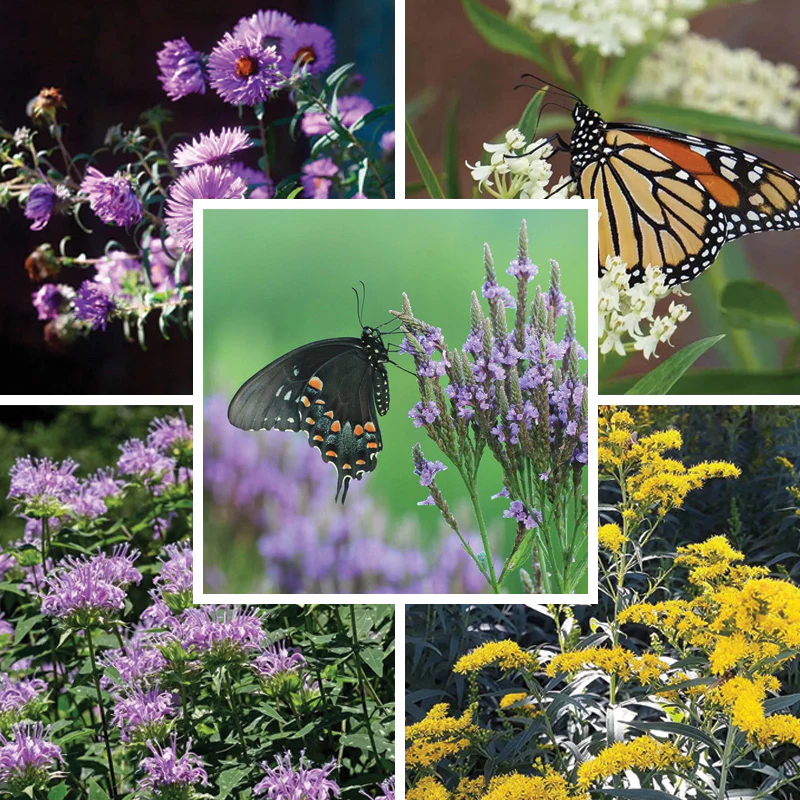
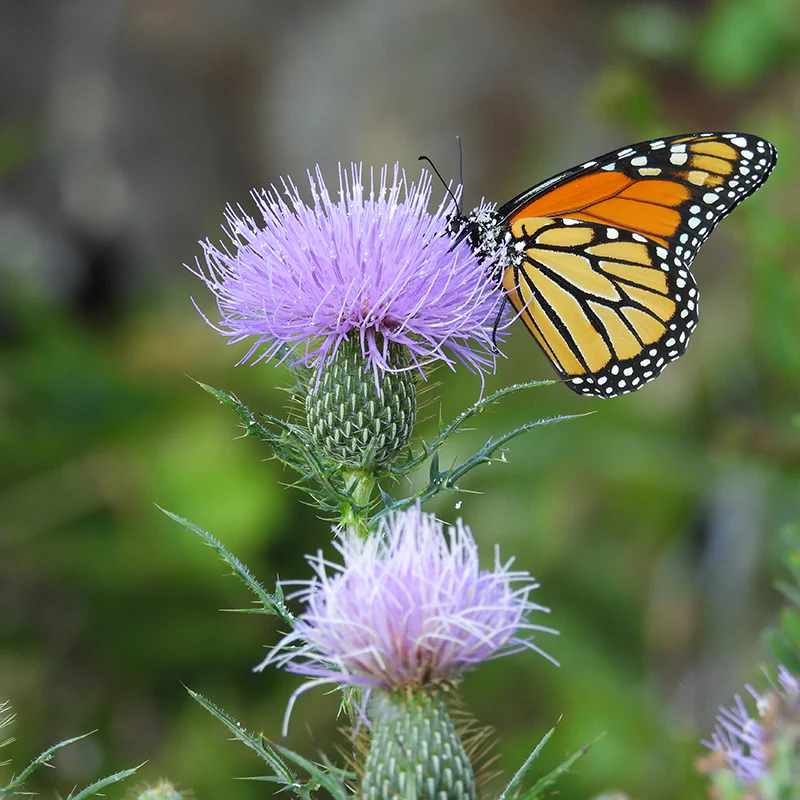
Let the wild bloom beautifully with Pasture Thistle (Cirsium discolor), a native North American wildflower that combines bold structure with essential ecological value. Far from the weedy reputation of invasive thistles, this non-aggressive native is a vital nectar source for pollinators—especially swallowtails, monarchs, bumblebees, and native bees—and a favorite of goldfinches, who flock to its seeds in late summer.
Standing tall at 4–6 feet, Pasture Thistle produces large, fluffy lavender-pink blooms perched atop spiny, silver-green stems that shimmer in the sunlight. Its dramatic form makes it a striking presence in meadows, native plantings, and wild pollinator gardens, while its deep taproot helps it thrive in dry, well-drained soils with minimal care.
This biennial grows as a low rosette in its first year and sends up towering blooms in its second. Its elegant flower heads bloom from mid- to late summer into fall, offering vital late-season resources for migrating butterflies and seed for birds. It plays well in naturalized gardens and adds unique texture and vertical interest where native structure is celebrated.
If you’re restoring habitat, building a native meadow, or simply looking to support local wildlife with a touch of dramatic flair, Pasture Thistle is the unsung hero of the prairie—wild, wonderful, and working hard for biodiversity.
Let the wild bloom beautifully with Pasture Thistle (Cirsium discolor), a native North American wildflower that combines bold structure with essential ecological value. Far from the weedy reputation of invasive thistles, this non-aggressive native is a vital nectar source for pollinators—especially swallowtails, monarchs, bumblebees, and native bees—and a favorite of goldfinches, who flock to its seeds in late summer.
Standing tall at 4–6 feet, Pasture Thistle produces large, fluffy lavender-pink blooms perched atop spiny, silver-green stems that shimmer in the sunlight. Its dramatic form makes it a striking presence in meadows, native plantings, and wild pollinator gardens, while its deep taproot helps it thrive in dry, well-drained soils with minimal care.
This biennial grows as a low rosette in its first year and sends up towering blooms in its second. Its elegant flower heads bloom from mid- to late summer into fall, offering vital late-season resources for migrating butterflies and seed for birds. It plays well in naturalized gardens and adds unique texture and vertical interest where native structure is celebrated.
If you’re restoring habitat, building a native meadow, or simply looking to support local wildlife with a touch of dramatic flair, Pasture Thistle is the unsung hero of the prairie—wild, wonderful, and working hard for biodiversity.
Original: $6.60
-70%$6.60
$1.98Description
Let the wild bloom beautifully with Pasture Thistle (Cirsium discolor), a native North American wildflower that combines bold structure with essential ecological value. Far from the weedy reputation of invasive thistles, this non-aggressive native is a vital nectar source for pollinators—especially swallowtails, monarchs, bumblebees, and native bees—and a favorite of goldfinches, who flock to its seeds in late summer.
Standing tall at 4–6 feet, Pasture Thistle produces large, fluffy lavender-pink blooms perched atop spiny, silver-green stems that shimmer in the sunlight. Its dramatic form makes it a striking presence in meadows, native plantings, and wild pollinator gardens, while its deep taproot helps it thrive in dry, well-drained soils with minimal care.
This biennial grows as a low rosette in its first year and sends up towering blooms in its second. Its elegant flower heads bloom from mid- to late summer into fall, offering vital late-season resources for migrating butterflies and seed for birds. It plays well in naturalized gardens and adds unique texture and vertical interest where native structure is celebrated.
If you’re restoring habitat, building a native meadow, or simply looking to support local wildlife with a touch of dramatic flair, Pasture Thistle is the unsung hero of the prairie—wild, wonderful, and working hard for biodiversity.