Spotted Bee Balm
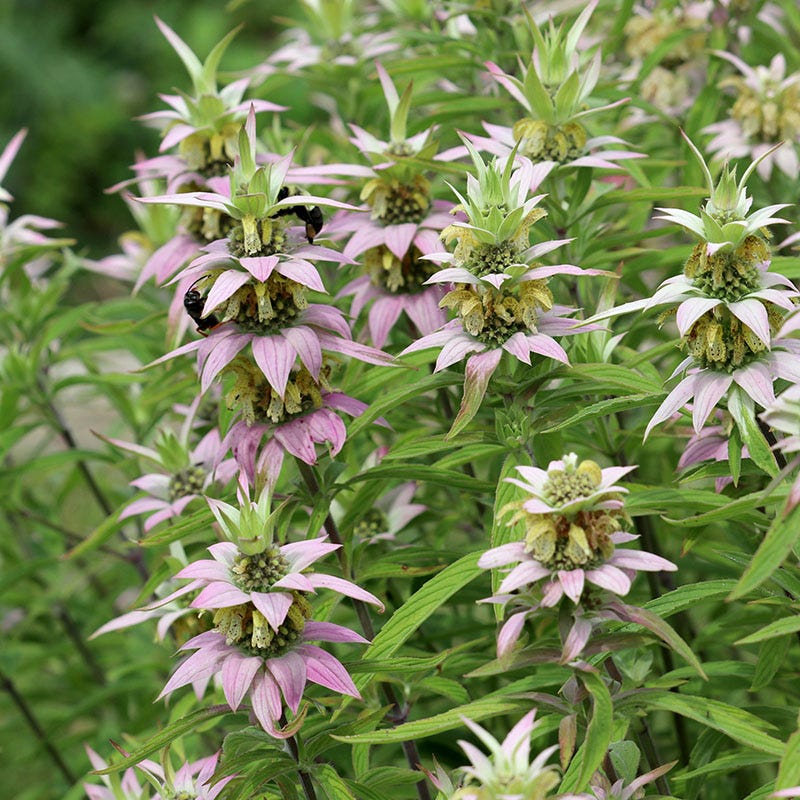
A pollinator garden must-have, Spotted Bee Balm (Monarda punctata) features a wide native range, including most states east of the Mississippi, most of the Midwest, and states along the southern border of the United States. It is typically found in sand prairies and Oak savannas, preferring sandy soil and full to part sun, so it is more tolerant of drought and intense sun than most other Mondardas. It can tolerate acidic soil for planting near pine trees, and can reseed to spread gently in optimal conditions. While flowers are ordinarily pinkish-white, some variations grow maroon or beige blooms atop green stems.
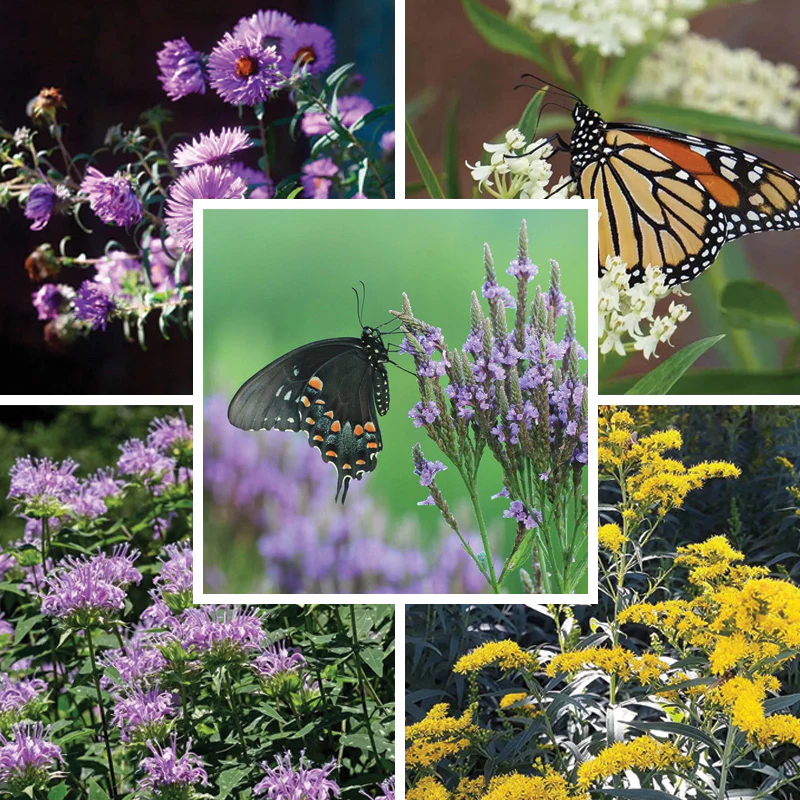
Spotted Bee Balm attracts honeybees and other beneficial insects, and it is a host plant for the Raspberry Pyrausta butterfly. These flowers are especially valuable for bees and incredibly popular with pollinators. Monarda punctata is a great plant for attracting beneficial predatory wasps to the garden to help control pests such as grubs and pest caterpillars. Its oregano aroma creates an herbal delight in any wildflower garden. While its distinctive fragrance helps to attracts pollinators, it deters deer and other critters. Cut Spotted Bee Balm for a floral display or crush fresh leaves for an anti-inflammatory salve.
A pollinator garden must-have, Spotted Bee Balm (Monarda punctata) features a wide native range, including most states east of the Mississippi, most of the Midwest, and states along the southern border of the United States. It is typically found in sand prairies and Oak savannas, preferring sandy soil and full to part sun, so it is more tolerant of drought and intense sun than most other Mondardas. It can tolerate acidic soil for planting near pine trees, and can reseed to spread gently in optimal conditions. While flowers are ordinarily pinkish-white, some variations grow maroon or beige blooms atop green stems.
Spotted Bee Balm attracts honeybees and other beneficial insects, and it is a host plant for the Raspberry Pyrausta butterfly. These flowers are especially valuable for bees and incredibly popular with pollinators. Monarda punctata is a great plant for attracting beneficial predatory wasps to the garden to help control pests such as grubs and pest caterpillars. Its oregano aroma creates an herbal delight in any wildflower garden. While its distinctive fragrance helps to attracts pollinators, it deters deer and other critters. Cut Spotted Bee Balm for a floral display or crush fresh leaves for an anti-inflammatory salve.
Original: $11.39
-70%$11.39
$3.42Description
A pollinator garden must-have, Spotted Bee Balm (Monarda punctata) features a wide native range, including most states east of the Mississippi, most of the Midwest, and states along the southern border of the United States. It is typically found in sand prairies and Oak savannas, preferring sandy soil and full to part sun, so it is more tolerant of drought and intense sun than most other Mondardas. It can tolerate acidic soil for planting near pine trees, and can reseed to spread gently in optimal conditions. While flowers are ordinarily pinkish-white, some variations grow maroon or beige blooms atop green stems.
Spotted Bee Balm attracts honeybees and other beneficial insects, and it is a host plant for the Raspberry Pyrausta butterfly. These flowers are especially valuable for bees and incredibly popular with pollinators. Monarda punctata is a great plant for attracting beneficial predatory wasps to the garden to help control pests such as grubs and pest caterpillars. Its oregano aroma creates an herbal delight in any wildflower garden. While its distinctive fragrance helps to attracts pollinators, it deters deer and other critters. Cut Spotted Bee Balm for a floral display or crush fresh leaves for an anti-inflammatory salve.