Blue Wood Aster
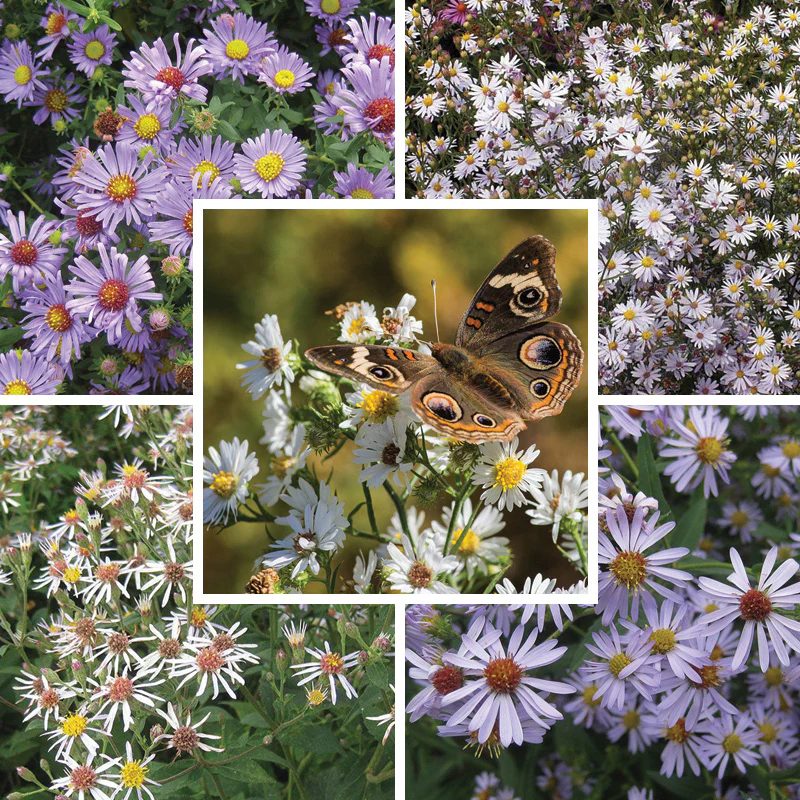
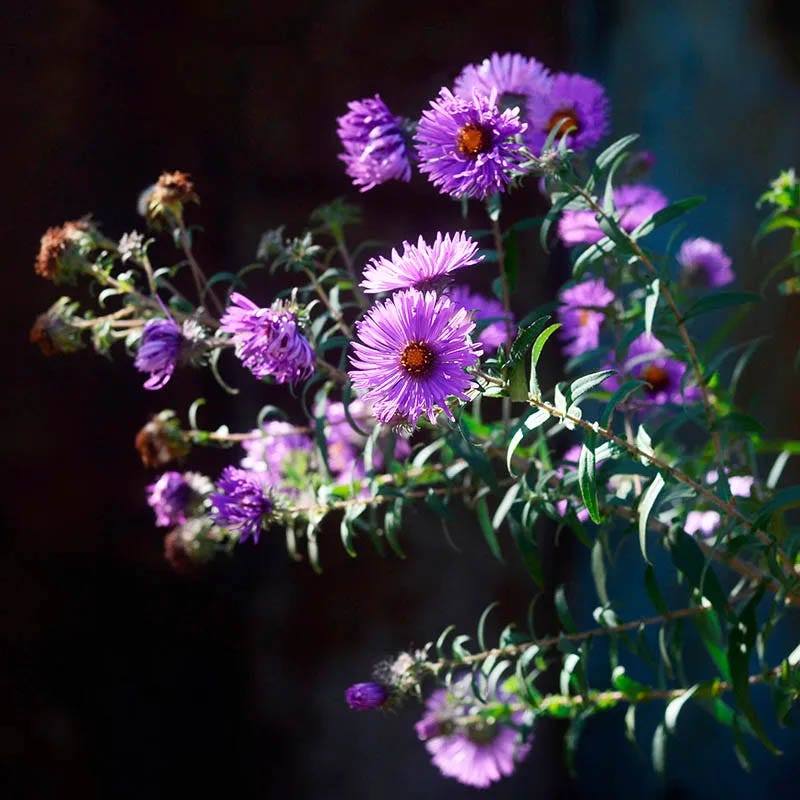
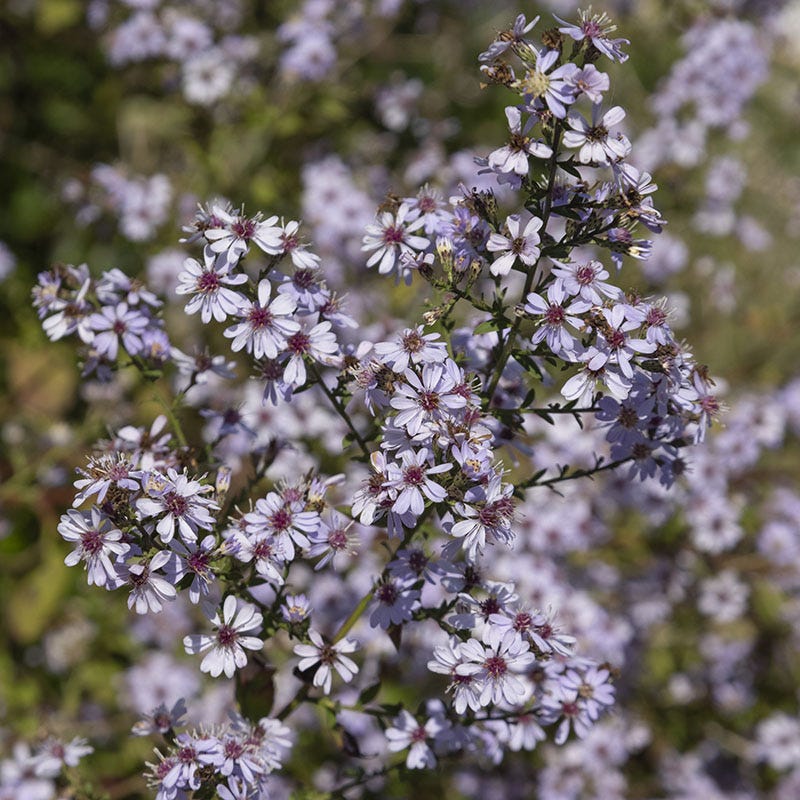
The Blue Wood Aster, or Symphyotrichum cordifolium, is a hardy perennial native to the woodlands and meadows of eastern and central North America. It can grow up to five feet tall, with arching stems that bear clusters of daisy-like flowers. These blooms, appearing from late summer to fall, have golden centers surrounded by slender sky blue petals, creating a striking display.
One fascinating aspect of the Blue Wood Aster is its resilience and versatility. It is relatively deer-resistant and can adapt to various soil types, making it a low-maintenance choice for gardeners.
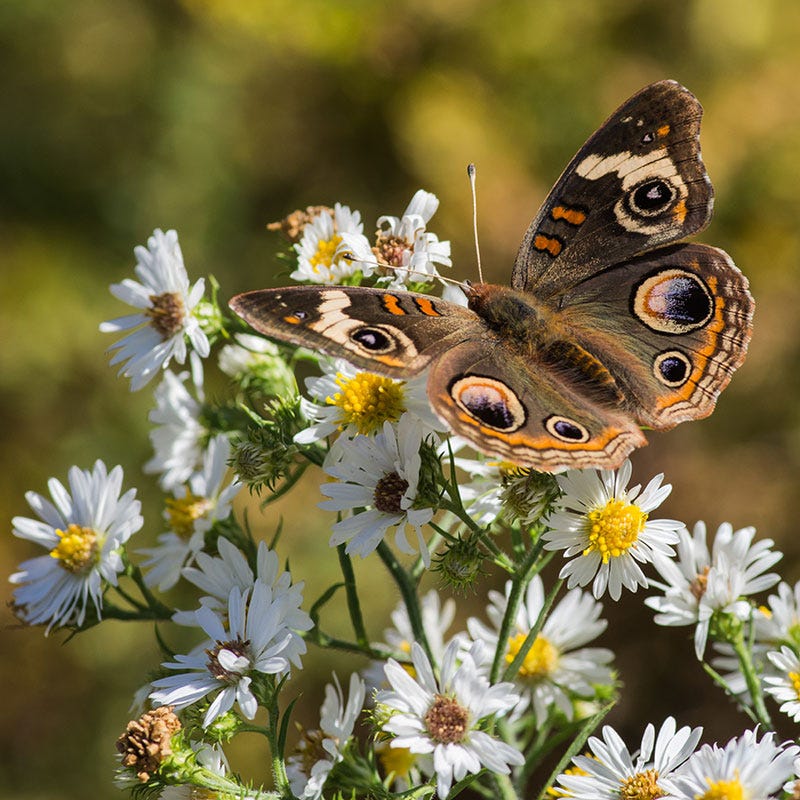
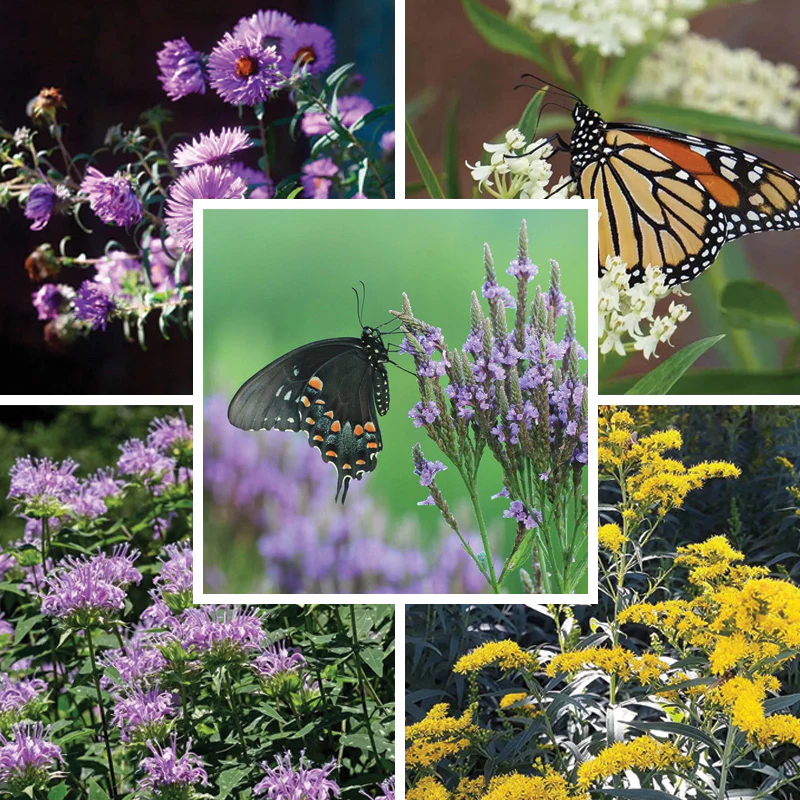
This aster is an important larval host for several insects, including the Pearl Crescent butterfly (Phyciodes tharos), the Gorgone Checkerspot (Chlosyne gorgone), and the Wavy-lined Emerald moth (Synchlora aerata). Additionally, its flowers attract numerous other pollinators, like bees and bumblebees.
Beyond its beauty, the Blue Wood Aster plays a vital role in local ecosystems as a keystone species. It provides essential nectar and pollen for pollinators and its seeds are a food source for birds and small mammals. The plant's ability to self-seed makes it an excellent choice for naturalizing areas and creating habitats that support wildlife.
The Blue Wood Aster, or Symphyotrichum cordifolium, is a hardy perennial native to the woodlands and meadows of eastern and central North America. It can grow up to five feet tall, with arching stems that bear clusters of daisy-like flowers. These blooms, appearing from late summer to fall, have golden centers surrounded by slender sky blue petals, creating a striking display.
One fascinating aspect of the Blue Wood Aster is its resilience and versatility. It is relatively deer-resistant and can adapt to various soil types, making it a low-maintenance choice for gardeners.
This aster is an important larval host for several insects, including the Pearl Crescent butterfly (Phyciodes tharos), the Gorgone Checkerspot (Chlosyne gorgone), and the Wavy-lined Emerald moth (Synchlora aerata). Additionally, its flowers attract numerous other pollinators, like bees and bumblebees.
Beyond its beauty, the Blue Wood Aster plays a vital role in local ecosystems as a keystone species. It provides essential nectar and pollen for pollinators and its seeds are a food source for birds and small mammals. The plant's ability to self-seed makes it an excellent choice for naturalizing areas and creating habitats that support wildlife.
Original: $10.19
-70%$10.19
$3.06Description
The Blue Wood Aster, or Symphyotrichum cordifolium, is a hardy perennial native to the woodlands and meadows of eastern and central North America. It can grow up to five feet tall, with arching stems that bear clusters of daisy-like flowers. These blooms, appearing from late summer to fall, have golden centers surrounded by slender sky blue petals, creating a striking display.
One fascinating aspect of the Blue Wood Aster is its resilience and versatility. It is relatively deer-resistant and can adapt to various soil types, making it a low-maintenance choice for gardeners.
This aster is an important larval host for several insects, including the Pearl Crescent butterfly (Phyciodes tharos), the Gorgone Checkerspot (Chlosyne gorgone), and the Wavy-lined Emerald moth (Synchlora aerata). Additionally, its flowers attract numerous other pollinators, like bees and bumblebees.
Beyond its beauty, the Blue Wood Aster plays a vital role in local ecosystems as a keystone species. It provides essential nectar and pollen for pollinators and its seeds are a food source for birds and small mammals. The plant's ability to self-seed makes it an excellent choice for naturalizing areas and creating habitats that support wildlife.